
Fieldwork spotlight – You’re Invited
Background
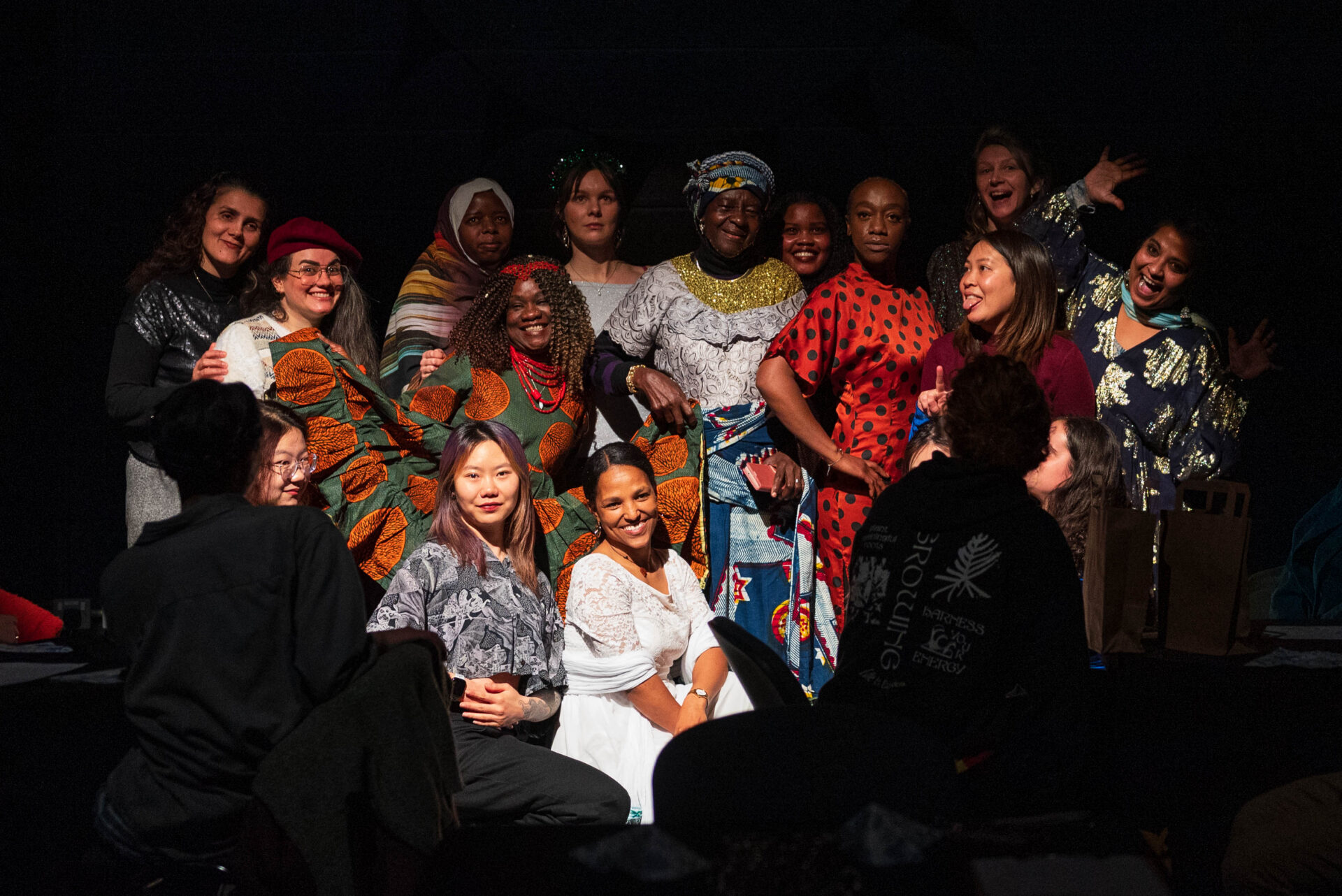
For the second phase of the work in Leeds, United Kingdom, Mafwa's Kulahenna Drama group chose to focus on intergenerational relationships in families and how cultural practices are passed from parents to children.
This work was developed over a period of 10 weeks by co-artistic directors Tamsin Cook and Keziah Berelson between September and December 2025.
It culminated in a performance on Wednesday 17 December in the Alec Clegg Studio, Stage@Leeds.
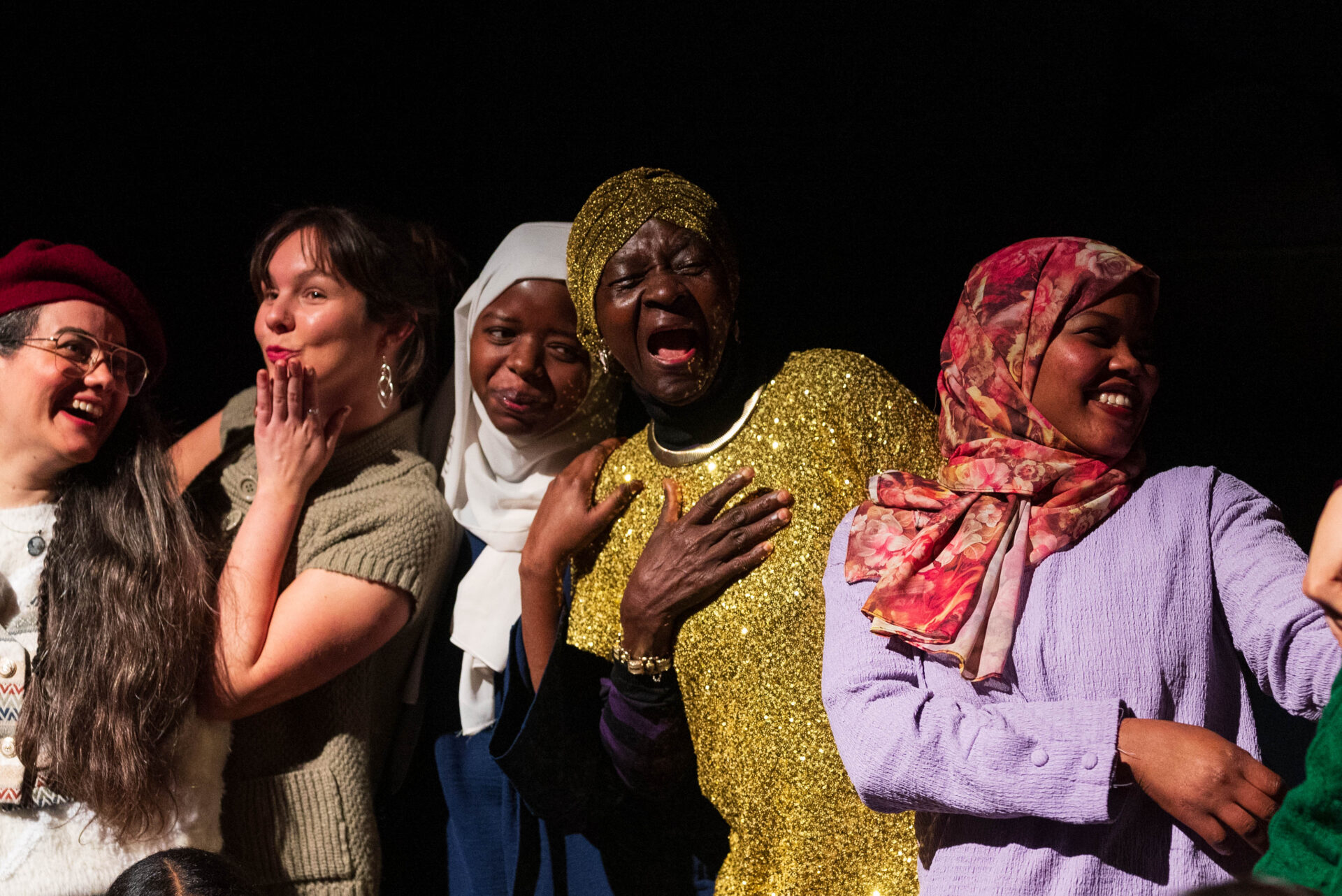
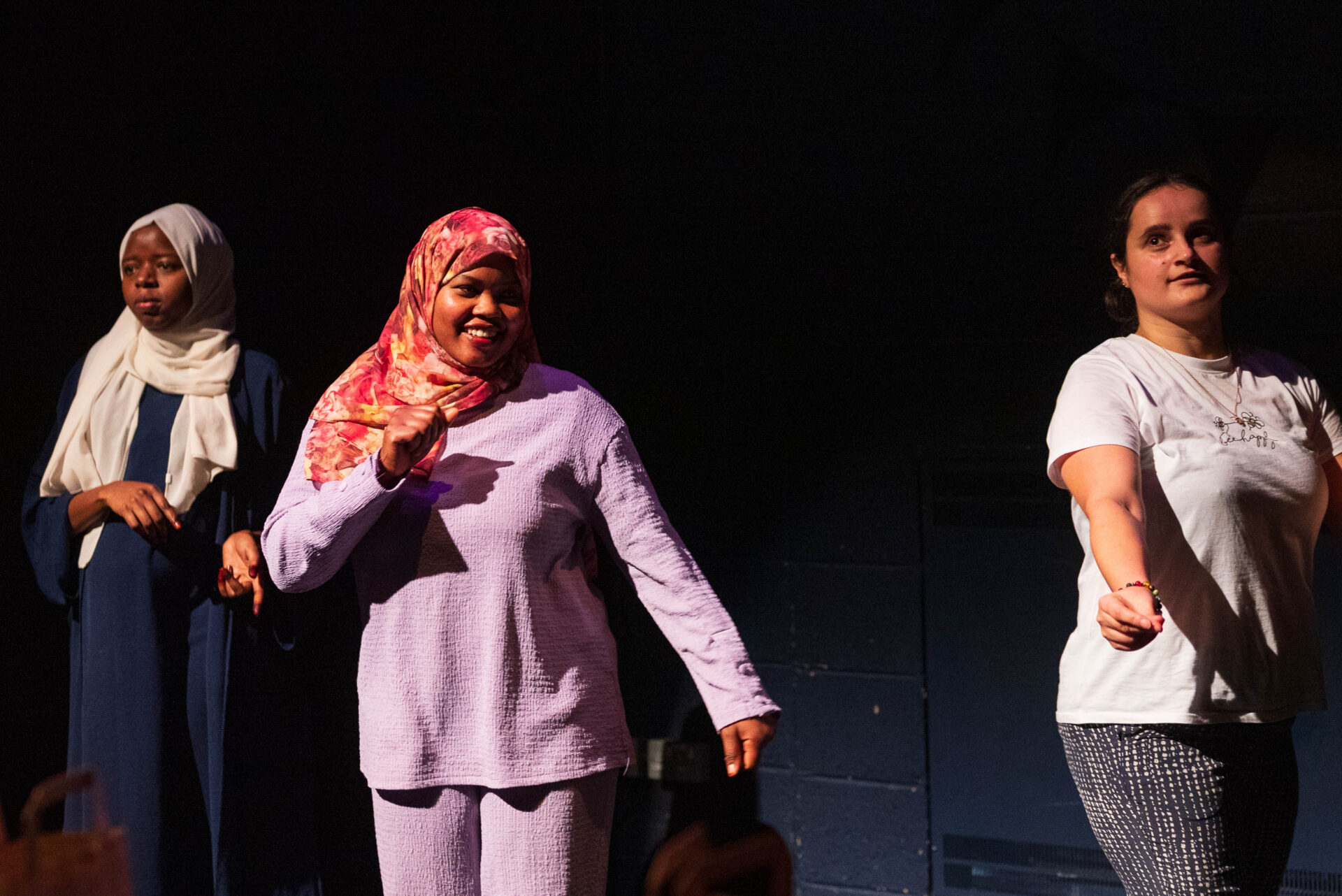
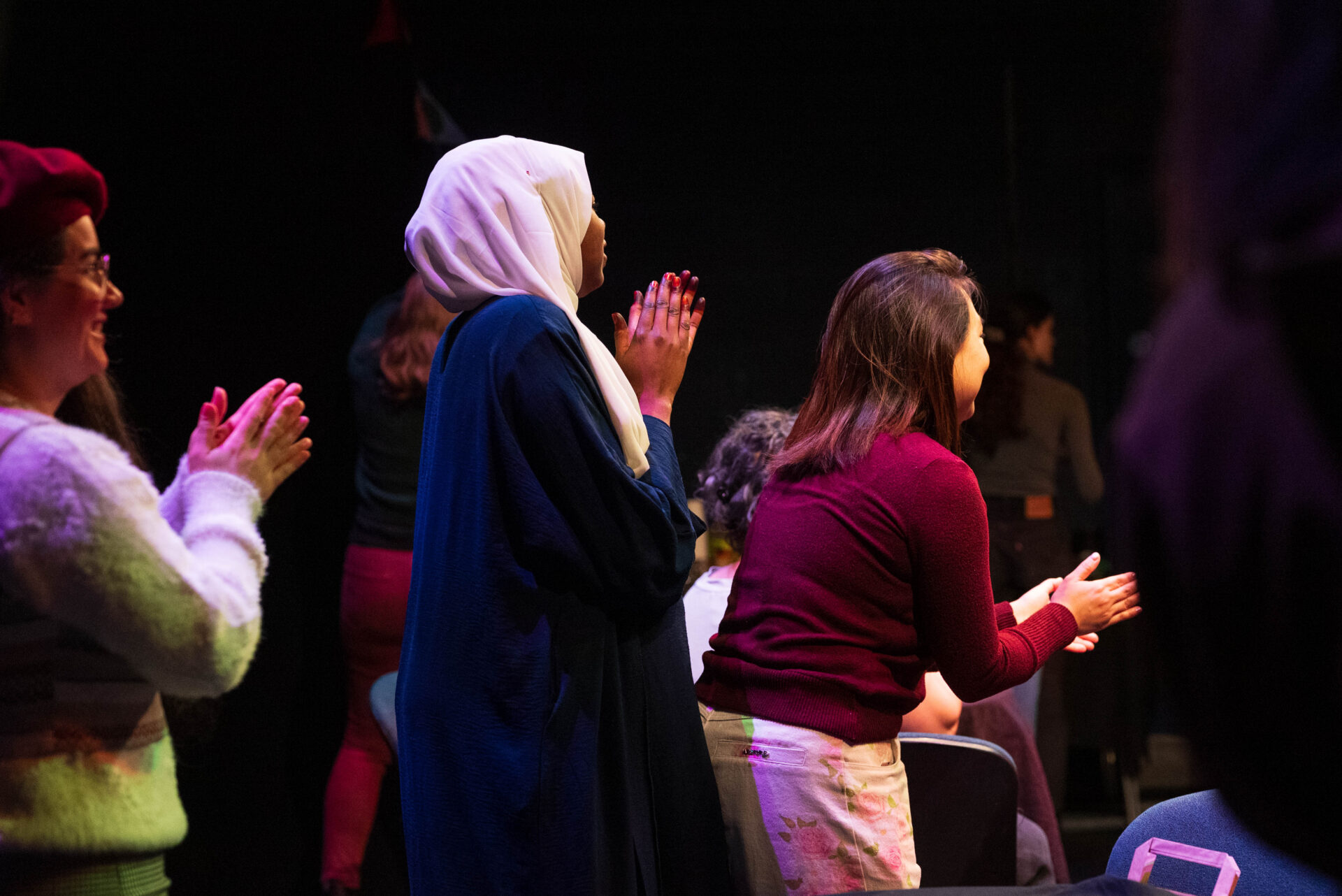
'You're Invited' took place in an immersive theatre format with audiences entering into a family party where intercultural discussions are taking place. The performance was followed by a short workshop.
Cultural continuity, generational pressure and change
The workshop explored three key questions:
- how families maintain home cultures when living in Leeds;
- whether younger generations feel pressured to maintain traditions; and
- which traditions younger generations believe should change or stop.
How families keep cultural identity alive
Families maintain cultural identity primarily through everyday practices rather than formal rituals.
Food was the strongest cultural anchor, alongside language spoken at home, religious observance, festival clothing, national holidays, and shared drinks or routines (e.g. daily tea, communal barbecues).
Storytelling also played a crucial role, with traditions often justified through family narratives such as “your grandparent used to do this”.
Respect for elders, greeting customs, and informal social practices (like popping by unannounced) helped sustain a sense of connection and nostalgia.
Writing and conversation were identified as alternative ways of passing on culture when direct participation felt difficult.

Pressure on younger generations
Younger generations reported mixed experiences of pressure. Some felt expectations increased at certain life stages (relationships, marriage, children), while others described pressure easing as families adapted over time.
There was awareness that holding everything together often depended on older family members; when they pass on, traditions can weaken. Pressures also came from consumerism, rigid celebration dates, and expectations around family roles.
At the same time, many young people expressed an active desire—rather than obligation—to keep traditions going as a way of maintaining identity and community.

Traditions that should change or stop
Participants strongly distinguished between traditions worth keeping and those seen as harmful or outdated.
Traditions linked to inequality or harm—such as extreme seniority, patriarchy, and practices that benefit only certain groups—were widely viewed as needing to stop. Others were seen as open to “micro‑change”, where traditions adapt gradually without being erased.
Key barriers to change included fear among older generations, communication gaps, and identity loss after migration.
Overall, findings suggest younger generations value evolving traditions that are inclusive, meaningful, and adaptable, rather than fixed or oppressive.
Read about other aspects of our research in the United Kingdom.